
Acoustic Panel Installation in UAE
If you’ve had panels installed and the echo barely changed, the problem usually wasn’t the product — it was a plan built on assumption instead of measurement. Proper acoustic panel installation starts with knowing exactly what a space needs, not guessing at coverage and hoping it’s enough.
This guide walks through exactly how acoustic panel installation works across the UAE — the panel types available, the process from assessment to sign-off, and what determines whether a project actually solves the noise problem or just adds decoration to the wall. It draws on the installation methodology used by Opus Acoustic, the specialist acoustic division of Opus Building Materials, across commercial and residential projects in the UAE.
Acoustic panel installation in the UAE involves a site assessment, RT60 measurement, panel specification (PET, wood, fabric, or baffles), and in-house fitting — typically covering 20-30% of wall area for offices and 40-60% for studios or cinemas. A single meeting room can be completed in one day; larger commercial rollouts are phased. Opus Building Materials & Opus Acoustic handle the full process from consultation through post-installation verification, across all seven UAE emirates.
This guide is for architects, fit-out contractors, facility managers, and property owners planning acoustic treatment across the UAE.
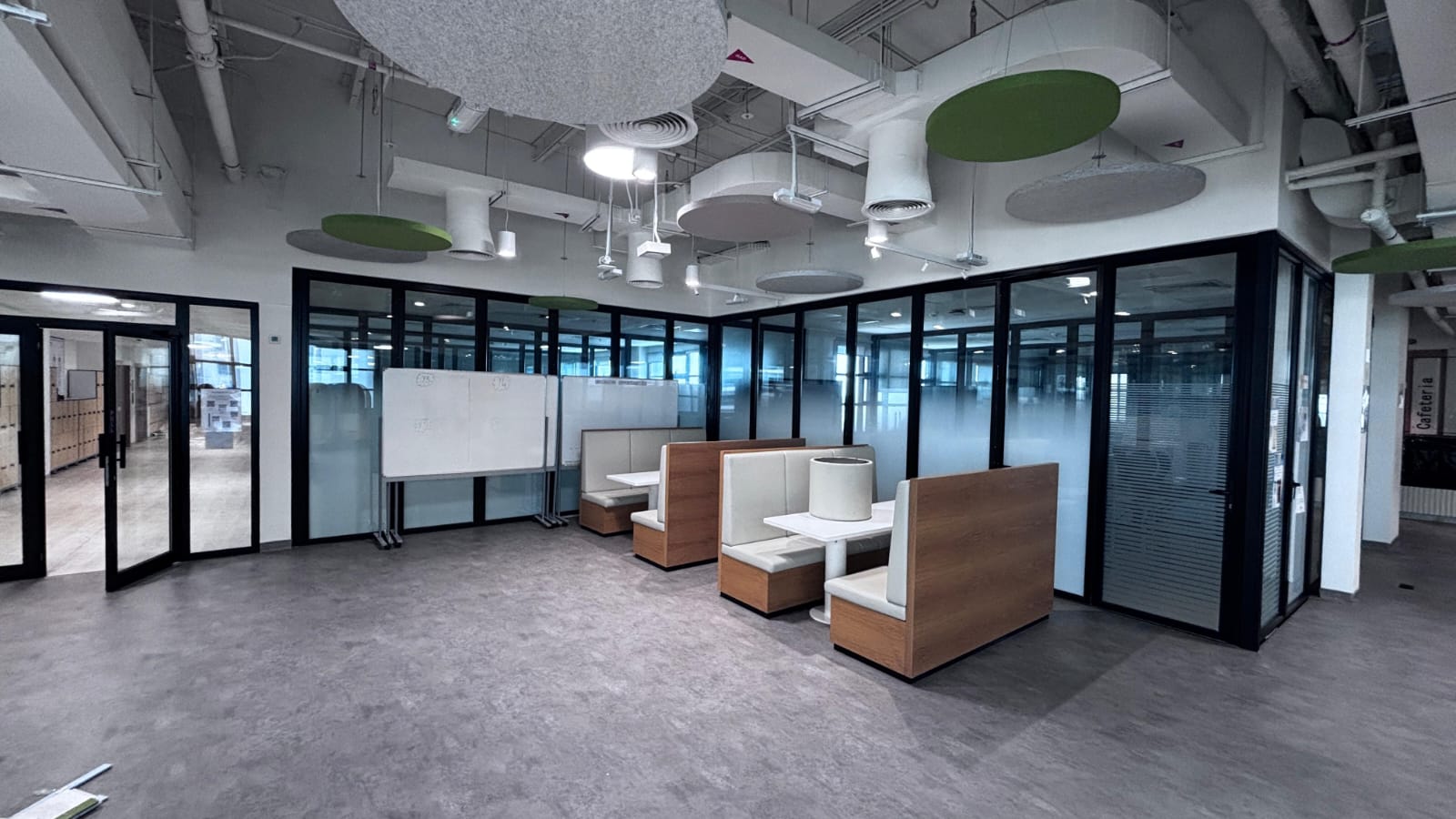
Why Do UAE Interiors Need Acoustic Panel Installation?
The UAE’s commercial interiors lean heavily on glass, marble, and bare concrete — materials chosen for the visual statement they make. The tradeoff is acoustic: those same hard, reflective surfaces bounce and amplify sound instead of absorbing it, which is exactly why so many architecturally striking spaces feel noisy or harsh to actually work in.
Poor acoustics shows up differently depending on the space:
- Corporate offices: concentration breaks down, meetings get harder to follow, staff tire faster by end of day
- Hotels and resorts: guests notice and mention it in reviews, and it costs repeat bookings
- Schools and universities: poor comprehension, teacher exhaustion
- Healthcare facilities: patient stress, privacy violations
- Restaurants and retail: shorter dwell time, lower spend
- Studios and cinemas: unusable recordings, technical audio failure
Acoustic panel installation isn’t a finishing touch — for any serious commercial project in the UAE, it’s a functional requirement decided by data, not aesthetics alone.
UAE-Specific Factors That Affect Acoustic Panel Installation
Acoustic panel projects in Dubai, Abu Dhabi, or Sharjah have to account for conditions that don’t apply everywhere:
Building materials
Glass, marble, and exposed concrete dominate UAE commercial interiors. These highly reflective surfaces mean rooms often measure far above comfortable acoustic targets before any panel is installed — coverage calculations have to start from that baseline, not a generic assumption.
HVAC and climate control
Continuous air conditioning is unavoidable in the UAE climate, and HVAC noise is a frequent contributor to poor acoustic comfort. Installation plans that only target wall and ceiling reflections and ignore ambient HVAC noise routinely underperform.
Fire and building code compliance
Acoustic products specified for commercial UAE projects must meet fire safety requirements set by local Civil Defense authorities. Panels chosen without this check can be ordered, delivered, and rejected at inspection — an expensive sequence to get wrong.
What’s the Difference Between Acoustic Panels and Soundproofing?
Acoustic panels work inside a room — pulling sound energy out of the air as it bounces around, cutting down on echo and lingering reverb. Soundproofing blocks sound from traveling between rooms — a structural intervention involving mass, decoupling, and air sealing. Most UAE commercial projects need a combination of both, specified based on which problem the space actually has.
| Feature | Acoustic Panels | Soundproofing |
|---|---|---|
| What it does | Absorbs sound energy inside a room | Prevents sound traveling between spaces |
| Solves | Echo, reverberation, noise buildup | Sound transfer, privacy between rooms |
| Method | Surface-mounted absorptive material | Mass, decoupling, air sealing |
Both solve real problems but different ones. Many UAE commercial projects need both, and Opus Building Materials is equipped to advise on the right combination for each situation.
Types of Acoustic Panels Supplied and Installed by Opus Building Materials
Five main categories of acoustic panels make up the Opus Building Materials range, supplied and fitted through Opus Acoustic. Each is suited to a different environment and performance need, covering the range of commercial and residential projects we handle across the UAE.
1. PET Fiber Acoustic Panels
PET fiber panels are made from compressed recycled polyester, delivering excellent mid-to-high frequency absorption with NRC ratings typically between 0.75 and 0.95. They’re lightweight, zero-emission, available in a wide color range, and support LEED and Estidama credits — making them a preferred choice for the region.
Best for: offices, retail, healthcare facilities, and creative workspaces.
2. Perforated Wood Acoustic Panels
Engineered wood panels with precision-drilled perforations over an acoustic backing layer. Opus Acoustic specifies these for projects that need warmth, natural aesthetics, alongside strong acoustic performance. They handle mid-bass frequencies effectively and are widely used in hotels, restaurants, conference halls, and mosques across the UAE.
Best for: hospitality venues, F&B spaces, auditoriums, and premium corporate interiors.
3. Fabric-Wrapped Acoustic Panels
Combining fiberglass or mineral wool cores with stretched fabric finishes. Custom sizes, colors, and fabric types are available, making them ideal for boardrooms, cinemas, and luxury residential projects where aesthetics and performance must both be exceptional.
Best for: boardrooms, home theatres, high-end retail, and cinemas.
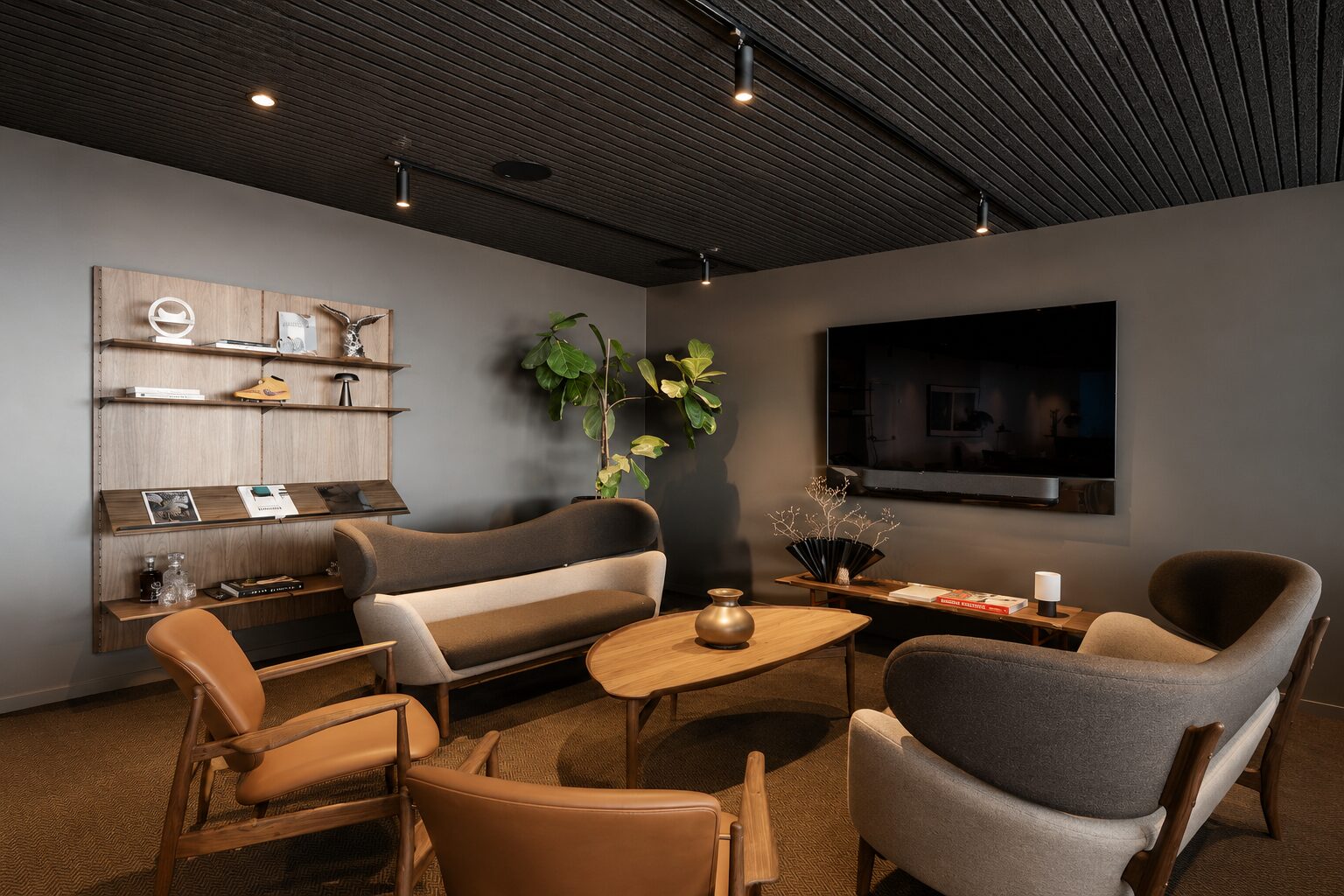
4. Acoustic Ceiling Baffles and Clouds
Opus Acoustic installs suspended acoustic baffles and clouds in large open spaces where ceiling access is insufficient. Positioned horizontally from the ceiling, they absorb sound from above — delivering strong results in open-plan offices, schools, and atriums.
Best for: large open spaces, warehouses, sports facilities, and atriums.
5. Bass Traps
Low-frequency sound energy accumulates in room corners, causing muddiness and imbalance. Opus Acoustic bass traps are installed directly at corners — essential for recording studios, home theatres, podcast rooms, and control rooms.
Best for: recording studios, home theatres, podcasting rooms, and control rooms.
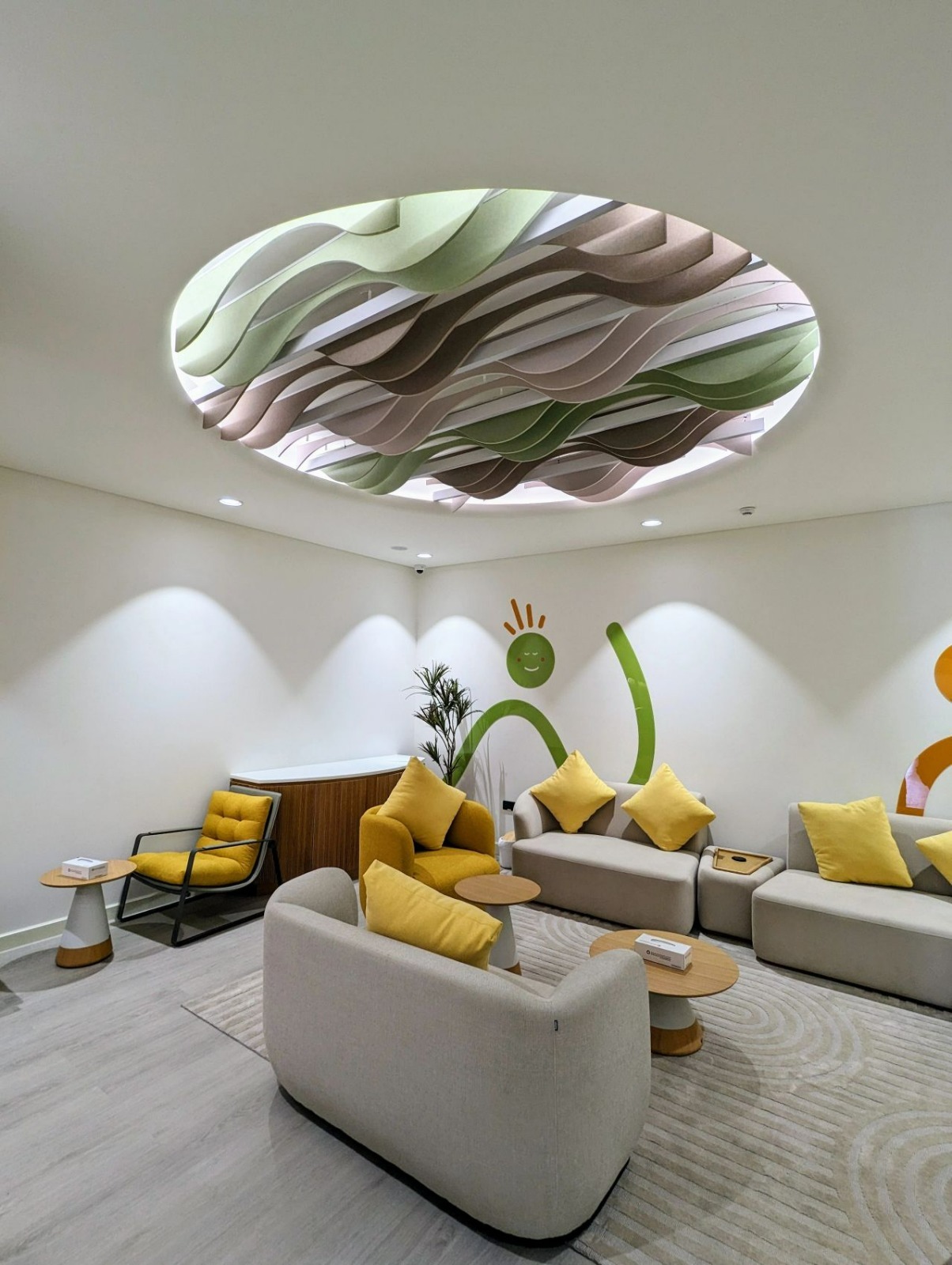
Panel Comparison
| Panel Type | NRC Range | Fire Rated | Green Certified | Ideal Space |
|---|---|---|---|---|
| PET Fiber | 0.75 – 0.95 | Yes | Yes (LEED) | Offices, Schools |
| Perforated Wood | 0.60 – 0.85 | Yes | Medium | Hotels, Restaurants |
| Fabric-Wrapped | 0.80 – 1.00 | Yes | Yes | Boardrooms, Cinemas |
| Ceiling Baffles | 0.75 – 0.95 | Yes | Yes | Auditoriums, Gyms |
| Bass Traps | 0.80 – 1.00 | Yes | Yes | Studios, Home Theatres |
How Does Acoustic Panel Installation Work, Step by Step?
The process follows six stages — the same measurement-first approach used in an acoustic site survey, carried through to installation:
Stage 1: Scoping call
Room use, complaint (if any), and existing drawings are gathered before any site visit, keeping the assessment focused.
Stage 2: Site assessment and RT60 measurement
Room dimensions, surface materials, and reverberation time are measured using calibrated equipment, not estimated from surface tables. RT60 targets vary: 0.4–0.6 seconds for offices and classrooms; 0.8–1.2 seconds for restaurants and lobbies; under 0.3 seconds for studios and cinemas.
Stage 3: Coverage calculation and panel specification
Using room volume and measured absorption data, Opus Acoustic calculates the precise quantity and type of acoustic material required to hit the target RT60. Offices typically need 20–30% of wall area treated; studios and cinemas need 40–60%.
Stage 4: Layout and placement design
Primary reflection points — side walls at ear level, ceiling areas above seating zones, rear surfaces — are prioritized. Corner bass traps are specified where low-frequency buildup is a concern.
Stage 5: Professional, code-compliant installation
Our own installation team — never subcontracted — handles all fixing, mounting, and finishing. Lightweight PET panels are adhesive-mounted; heavier wood and fiberglass panels use French cleats, Z-clips, or metal impaling clips. All suspended systems comply with Dubai Municipality and Abu Dhabi Authority structural requirements.
Stage 6: Post-installation performance verification
A final acoustic check confirms installed panels perform as specified. Clients receive full documentation of panel specifications and installation details for building records.
What Determines Whether an Installation Actually Works
Not every installation solves the problem it was meant to solve. An installation doesn’t automatically fix the issue it was meant for — a lot comes down to whether it was based on actual measurements or a guess. Here’s where projects tend to fall short when they skip that step:
- Treating only the most visible wall: Sound bounces off every surface simultaneously; single-wall treatment rarely produces a noticeable change.
- Ignoring low frequencies: Standard flat panels absorb mid and high frequencies but do little below 250 Hz; spaces with boom or bass buildup need corner bass traps specifically.
- Wrong panel height: Panel centers belong between 90–120 cm from floor level in seated environments, directly targeting ear-level reflections.
- Fixing rated for the wrong conditions: UAE’s temperature swings and high-capacity air conditioning airflow require commercial-grade fixings, not standard adhesive mounts.
- Skipping structural checks for suspended systems: Baffles and clouds must be fixed from structural building elements, never lightweight ceiling grids, and require Dubai Municipality approval coordination.
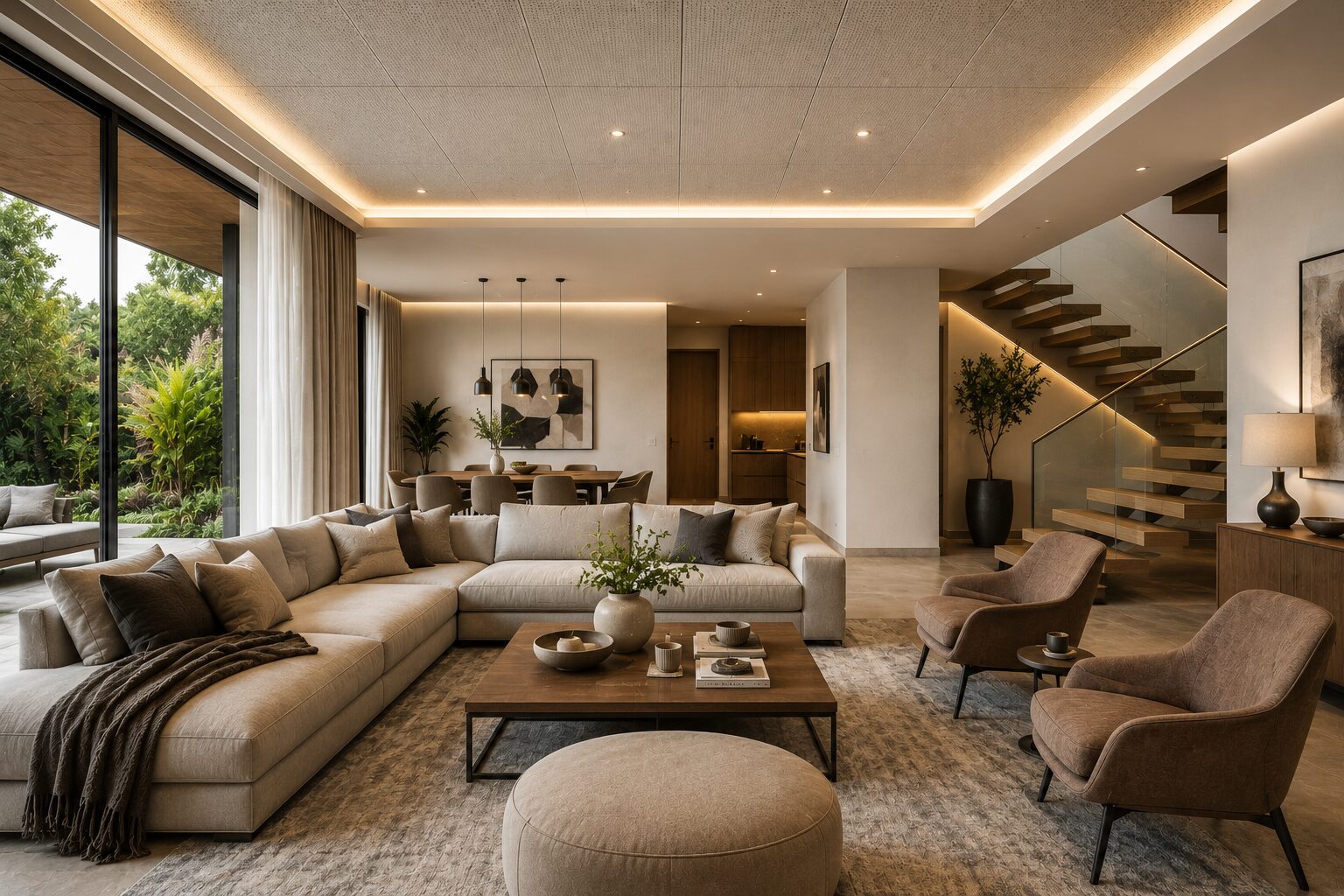
Opus Building Materials & Opus Acoustic — Solutions by Space
Corporate Offices and Coworking Spaces
PET and fabric panel range, installed by Opus Acoustic, reduces ambient noise levels, improves speech privacy, and supports wellness certification. Acoustic treatment in meeting rooms ensures confidential conversations stay confidential — a growing priority for UAE’s financial and professional services sector.
Hotels, Resorts, and Hospitality Venues
UAE’s hospitality sector demands acoustic perfection at every touchpoint. Opus Building Materials supplies perforated wood and custom fabric solutions that maintain visual warmth and elegance across guest rooms, restaurants, and events spaces across Dubai, Abu Dhabi, and Sharjah.
Schools, Universities, and Training Centres
Opus Acoustic designs acoustic treatment plans that hit UAE and international classroom RT60 targets, using fire-rated PET panels that are safe, durable, and available in colors that support engaging learning environments across Dubai, Abu Dhabi, and Sharjah.
Healthcare Facilities and Clinics
Opus Building Materials supplies panels with smooth or sealed surfaces suited to hygiene-sensitive healthcare environments. Acoustic installs treat consultation rooms, waiting areas, and ward corridors — ensuring patient privacy and calm recovery environments while meeting UAE regulatory requirements.
Recording Studios and Broadcast Suites
Opus Acoustic designs complete studio acoustic packages combining fabric-wrapped panels, corner bass traps, and ceiling clouds calibrated to the specific dimensions and use case of each room. From Dubai Media City podcast studios to full broadcast suites, every installation is built on measured data.
Home Cinemas and Private Screening Rooms
Opus Building Materials and Opus Acoustic work with interior designers and AV integrators across Dubai, Abu Dhabi, and Sharjah to deliver fabric acoustic systems where home cinema and screening room acoustics is heard exactly as the director intended.
Auditoriums, Theatres, and Mosques
Our team specifies perforated wood and fabric systems tuned to the performance requirements of each space — from lecture theatres needing maximum speech clarity to mosque halls requiring natural, musical reverberation.
Industrial Spaces and Plant Rooms
Our industrial-grade acoustic panels and baffles, installed by Opus Acoustic, reduce machinery noise levels, improve communication safety, and help UAE facilities meet occupational noise regulations.
(Note: hotels, schools, healthcare, home cinemas, auditoriums, and industrial segments still don’t have real project photos — these are the sections to prioritize next.)
How Opus Acoustic Approaches Installation
This is the methodology Opus Acoustic applies on every project for Opus Building Materials clients: measured RT60 data where a space warrants it, surface-by-surface reflection mapping, an in-house (never subcontracted) installation team, and post-installation verification before a project is signed off. The goal is a client who can see the evidence behind a specification, not just take a sales pitch on faith.
Panels installed against measured data outperform panels installed against a floor plan. That’s the entire argument for measuring first.
What Makes Opus Building Materials and Opus Acoustics the Right Fit?
Opus Building Materials and Opus Acoustics work with architects, fit-out contractors, interior designers, and facility managers on acoustic panel projects throughout the UAE. What sets the work apart:
In-house installation, no subcontracting — the same trained team handles every project start to finish.
One team, full scope — assessment, specification, installation, and post-install verification, without handing off between vendors.
Fire-rated, code-compliant products — every panel meets UAE Civil Defense requirements.
Sustainability options — PET and low-VOC fabric panels eligible for LEED and Estidama credit.
Coverage across all seven emirates — Dubai, Abu Dhabi, Sharjah, Ajman, Ras Al Khaimah, Fujairah, and Umm Al Quwain.
Fully customizable — sizes, colors, fabrics, and wood finishes built around your interior design.
Direct factory pricing — no markup layers, which matters most on large hospitality or education rollouts.
Frequently Asked Questions
There’s no single flat rate — panel type, the size of the room, how much wall area needs treating, and the mounting approach all factor into final pricing. The most reliable way to get an actual number is a free on-site visit, after which Opus Building Materials puts together a quote specific to your space.
That’s determined during the site visit, based on the reverberation time you’re targeting. Offices generally land around 20-30% wall coverage; studios and cinemas run higher, typically 40-60%.
Yes — every panel specified for UAE commercial projects meets local Civil Defense fire safety standards.
Yes. Colors, fabric finishes, and sizing are all adjustable to fit your design and brand.
A single room or small office is usually a one-day job. Bigger commercial rollouts get phased across several days based on scope.
Yes — coverage spans Dubai, Abu Dhabi, Sharjah, and all seven UAE emirates.