
How Acoustic Design Consultants Work With Architects in the UAE
Key Takeaway / Quick Answer
An acoustic design consultant integrates into architectural projects during the concept or schematic design stage to establish RT60 targets, STC partition specs, and room adjacencies on paper. Early design-stage intervention prevents costly post-construction retrofits and ensures structural compliance with local UAE building codes.
An acoustic design consultant is brought into a project at concept or schematic design stage, working alongside the architect and interior designer to translate acoustic performance targets into material choices, ceiling details, and partition specifications before drawings are finalised. This differs from acoustic consultancy on a completed space, where the goal is fixing an existing problem rather than preventing one from being built in.
Retrofitting acoustic treatment into a finished space is always more constrained than designing for it from the start ceiling grids are already fixed, finishes are already ordered, and the acoustic fix has to work around decisions that were never made with sound in mind. Involving a design consultant early removes that constraint entirely.
This guide covers how acoustic design consultants integrate into the architectural design process on Dubai projects, what they contribute at each design stage, and why this differs from a post-completion consultancy engagement. It draws on the design-stage acoustic consultancy Opus Acoustic provides alongside architects, structural engineers, and interior designers, from concept through project completion.

Why Acoustic Input Belongs in the Design Stage, Not After
An acoustic consultant working after a space is built is limited to what the existing structure allows surface-applied panels, retrofitted seals, or mechanical fixes bolted onto a finished ceiling. A design-stage consultant works the other way round: acoustic targets are set first, and the architectural details are drawn to meet them.
This shift changes what’s actually possible:
- Ceiling and floor build-ups can be specified for sound insulation before slabs are poured, rather than treated after
- Material selection for walls, glazing, and partitions can account for acoustic performance alongside aesthetics from the outset
- Room adjacencies – placing a plant room away from a boardroom, for example can be resolved in the layout itself, not through soundproofing after the fact
What Design-Stage Acoustic Consultancy Actually Covers
Design consultancy on a Dubai project typically spans a defined set of technical inputs, most of which reference the same standards used in post-completion assessment but applied predictively rather than measured after the fact.
- Sound design modelling and echo performance simulation, using room geometry from the architectural drawings before the space exists
- Material selection and structural technical specification matching, so the ceiling, wall, and floor systems specified meet acoustic targets without being over-specified
- Reverberation time (RT60) calculations and noise insulation path mapping, modelled against the drawings rather than measured on-site
- Guidance on meeting international acoustic standards and local regulations such as the Dubai Building Code and Abu Dhabi Building Codes, including fire safety compliance
- Close data collaboration with architects, main contractors, and MEP consultants, since acoustic performance depends on decisions made across multiple disciplines
- Custom structural acoustic engineering adaptations for unique space constraints an atrium, a curved wall, or an unusually shaped auditorium, for example
Where This Matters Most on Dubai Projects
Design-stage acoustic input carries particular weight on the building types most common across Dubai’s current development pipeline:
High-Rise Mixed-Use Towers
Combining residential, hospitality, and retail in a single structure means acoustic separation between unrelated uses has to be designed into the floor plate and structural build-up not solved after handover when a resident complains about noise from the retail level below.
Hospitality and F&B Fit-Outs
A hotel lobby, restaurant, or ballroom has to balance an architecturally ambitious material palette often glass, marble, and exposed structure against acoustic comfort. Getting this balance wrong at design stage is expensive to correct once the finishes are installed.
Corporate Headquarters and Boardrooms
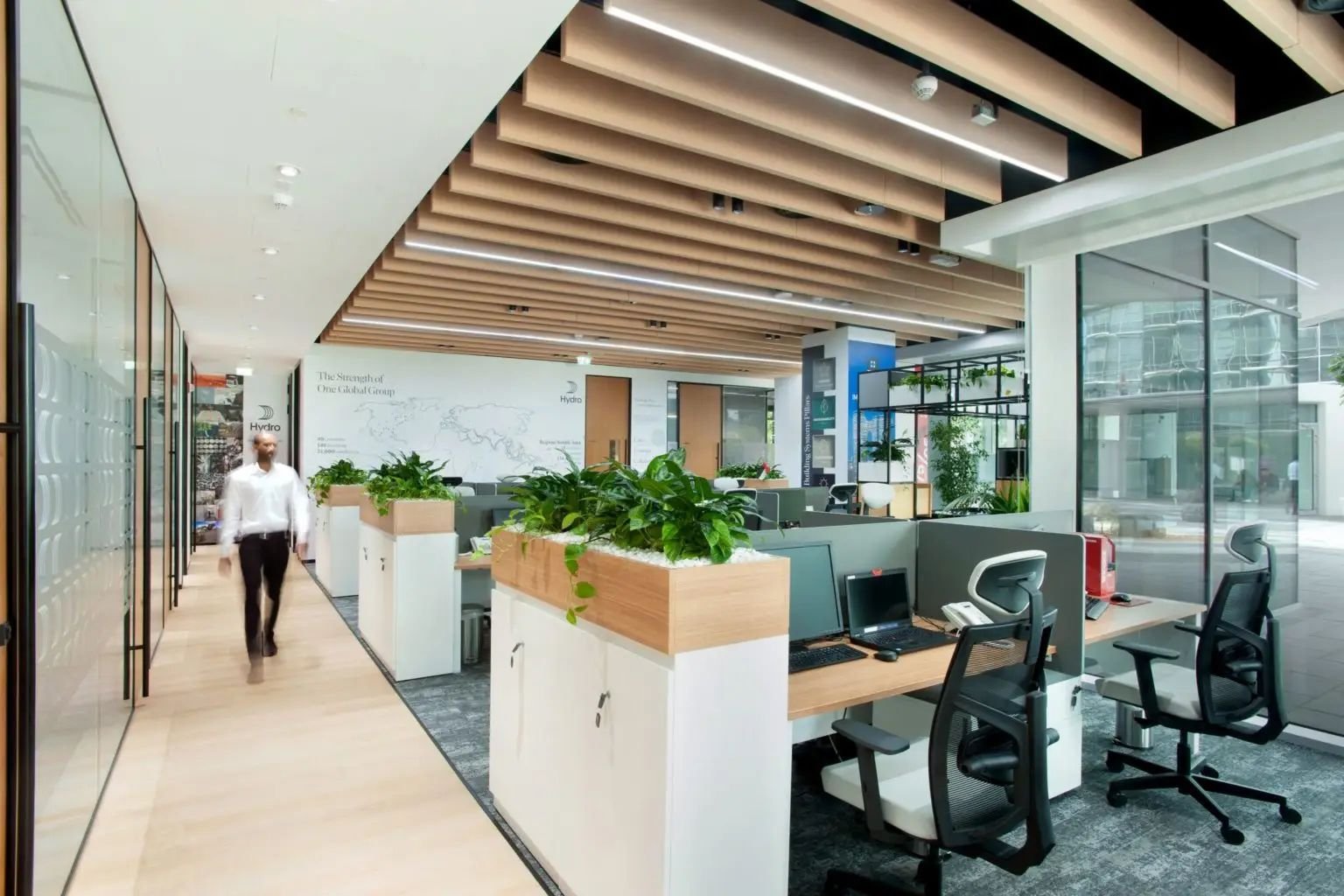
Open-plan offices with glazed meeting rooms are a defining feature of current Dubai commercial design. A design consultant can flag where glazing and hard ceiling combinations will push reverberation time above comfortable speech levels, before the glazing package is ordered.
Auditoriums and Multi-Purpose Halls
Spaces that need to function for both speech and music a conference hall used for both presentations and live events require acoustic modelling at design stage to get diffusion and absorption balance right, since the room geometry itself is part of the acoustic solution.
How a Design-Stage Consultancy Engagement Runs, Step by Step
1. Concept Review
The consultant reviews early architectural concepts and identifies which spaces have functional acoustic requirements – meeting rooms, auditoriums, healthcare consultation rooms and flags them for closer attention as design develops.
2. Target Setting Against Room Function
Acoustic performance targets are set for each flagged space – an RT60 range, an STC rating between adjoining rooms, or an NC background noise target – based on the room’s intended use and any applicable code.
3. Drawing-Based Acoustic Modelling
Using the architect’s drawings, the consultant models predicted acoustic performance based on proposed room geometry, surface materials, and structural build-ups, before anything is built.
4. Material and Detail Recommendations
Where modelling shows a gap against target, the consultant recommends specific material changes, ceiling or wall build-up adjustments, or junction details coordinated with the architect rather than imposed on the design.
5. Coordination With MEP and Structural Teams
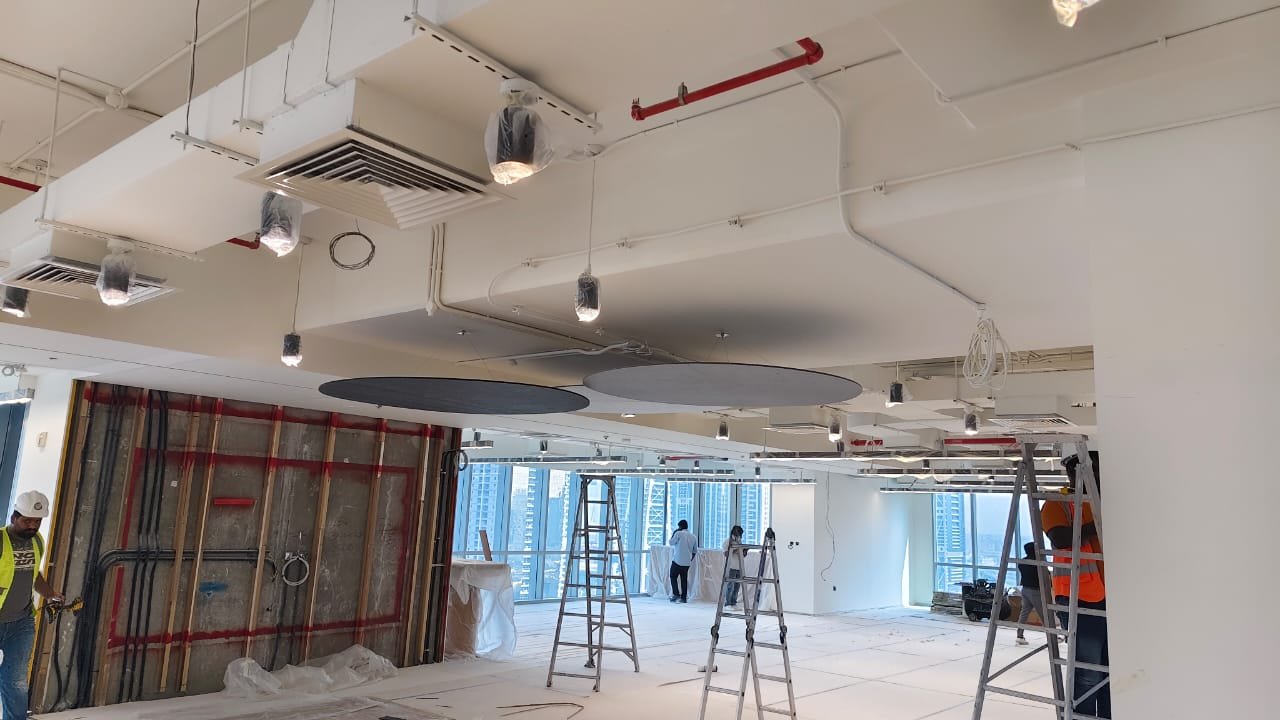
Acoustic performance depends on decisions outside the architect’s direct control – ductwork routing, structural connections, glazing systems so the consultant coordinates directly with MEP and structural consultants through design development.
6. Construction-Stage Verification
As the project moves into construction, the consultant reviews shop drawings and, where justified, verifies installed performance against the original design targets before handover.
What Gets Missed Without a Design-Stage Consultant
- A ceiling system selected for appearance alone that can’t achieve the RT60 target the space actually needs
- Glazed partitions specified without an acoustic seal detail, undermining the STC rating the wall assembly was supposed to achieve
- A plant room or MEP riser placed directly adjacent to a space with a strict background noise target, discovered only after construction
- An auditorium or hall where the room’s geometry itself works against speech intelligibility, a problem no amount of surface treatment can fully correct after the fact
Design-Stage vs. Post-Completion Acoustic Consultancy
| Factor | Design-Stage Consultancy | Post-Completion Consultancy |
|---|---|---|
| When it happens | Concept through construction drawings | After the space is built and occupied |
| What drives the process | Architectural drawings and modelling | On-site measurement of the existing space |
| What’s achievable | Structural and material solutions built into the design | Surface-applied or retrofitted treatment only |
| Typical trigger | New-build or major fit-out project | Noise complaint or underperforming existing space |
| Cost of getting it wrong | Design revision before construction | Retrofit cost after finishes are installed |
How Opus Acoustic Integrates Into the Design Process
This is the same collaborative approach Opus Acoustic brings to its acoustic consultancy work with architects, structural engineers, and interior designers: acoustic criteria translated into actionable architectural detail from concept design through project completion, rather than a specification handed over separately from the rest of the design team’s work.
A design change made on paper costs nothing close to what the same change costs once the space is built. That gap is the entire case for bringing an acoustic consultant in at concept stage.
Frequently Asked Questions
Ideally at concept or schematic design, before room layouts, material palettes, and structural build-ups are finalised. Involvement gets progressively more constrained the later it happens.
Not necessarily. A design-stage consultant works from drawings; a site inspection or construction-stage verification confirms the built space actually achieves what was modelled. For an existing space rather than a new build, see our guide on what an acoustic consultant does for a completed space (https://www.opusbm.com/blog/acoustic-consultants-uae/).
Yes, though the range of solutions available narrows once the concept is fixed — the consultant works within the existing design rather than influencing the layout itself.
It typically reduces total project cost, since correcting an acoustic shortfall in the design is far cheaper than retrofitting treatment after construction.
Yes. Acoustic separation between units, and between residential and mixed-use levels, is a design-stage consideration in both.
Certain occupancies and building types have defined acoustic or fire-safety-linked requirements that a consultant helps meet during design, though formal compliance sign-off remains with the project’s certifying authority.
Book a Design-Stage Consultation
Bring acoustic performance into your design before the drawings are finalised.
Phone: +971 50 826 5672
Coverage: Dubai, Abu Dhabi, Sharjah & all UAE Emirates
